Every organisation, large or small, faces risks from cyber threats, and the consequences of a successful attack can be severe.
Cybersecurity is key for protecting your business’ sensitive data and keeping your business operational. By understanding the threats and implementing the right strategies, you can safeguard your business from potential harm. For Cybersecurity Awareness Month, we’re covering everything you need to know about protecting your business.
Cyber attacks can come in many forms, and they often target vulnerable areas of your digital infrastructure. Learning about protective measures can help you reduce these risks and secure your business’ vital information. Focus on both prevention and response strategies to stay ahead of cyber threats.
Effective cybersecurity practices involve a combination of technology, policy and education. From training employees on spotting potential threats to implementing strong security protocols, there are concrete steps you need to take to protect your business. Staying informed about the latest threats and adapting your strategies accordingly can make a significant difference in how well you safeguard your digital assets.
Key takeaways
- Cybersecurity protects your business from digital threats.
- Adopt strategies to enhance protection against cyber attacks.
- Educate your team on best practices to improve security.
Understanding cybersecurity risks
Cybersecurity risks pose a threat to all businesses. If you think your small business won’t be a target, think again. Cyber criminals often target smaller businesses knowing that an attack could financially destroy the business, whereas larger corporations may have the facilities to recover more effectively.
With the growing sophistication of cyber threats, you need to understand and address these risks to safeguard your operations and financial stability.
The nature of cyber threats
Cyber threats come in many forms, from malware and phishing attacks to unauthorised access to systems. Attackers aim to exploit vulnerabilities in your network to steal data or disrupt services. Staying informed about new attack strategies is vital.
Understanding the potential risks helps you understand the most important areas to address. Malware can corrupt files, and ransomware demands can cripple operations. Phishing schemes target employees’ credentials, leading to compromised accounts. Each threat can dramatically affect your business.
Impact on business continuity
Cyber attacks can severely disrupt business continuity. When critical systems are compromised, it often leads to downtime, halting essential operations. This can affect everything from daily tasks to customer service and supply chain processes.
The risk of cyber attacks requires businesses to have a solid disaster recovery plan as well as a prevention plan in place. Backup systems, secured data and emergency protocols should be in place to ensure you can get back up and running again as soon as possible. Being unprepared might result in prolonged service outages that damage your reputation.
Providing continuous employee training is key. Your people are your first line of defence, and they are often the target of phishing attacks – the most common type of cyber attack. They need to be able to recognise the signs of a suspicious communication and know how to respond effectively. This ensures you’re not only safeguarding your assets but also maintaining trust with customers and partners.
Financial implications of cyber attacks
Cyber attacks can have substantial financial implications. A study found that the global average cost of a data breach in 2023 was £3.65 million. These breaches lead to financial losses due to theft of financial records, legal fees, operations coming to a halt and fines for data protection violations.
Investing in cybersecurity with a defence-in-depth cybersecurity strategy can prevent potential attacks from impacting your business. Implementing robust security measures helps protect sensitive data, and regular audits and updates ensure compliance with industry standards.
Strategies for enhancing cybersecurity
Enhancing your cybersecurity requires implementing strong frameworks and policies. Balancing technology with human action means you can protect your data at each entry point.
Developing a robust cybersecurity framework
Creating a robust cybersecurity framework involves setting up a strong defence system to protect your data. Start by conducting a thorough risk assessment to identify vulnerable areas. Require your employees to set up multi-factor authentication (MFA) on all their business accounts to add an extra layer of security.
Organising training sessions for employees can raise awareness about potential risks, ensuring everyone plays their part in maintaining security. You can also use phishing simulations to test their existing ability to spot fraudulent emails. If users click a dodgy link, they’re directed to training materials that can help them spot threats better in the future.
Document all your business processes and potential vulnerabilities and entry points clearly. This helps in maintaining transparency, identifying weak points and ensuring everyone knows how to respond in case of a breach.
Implementing strong security policies
Developing and enforcing strong security policies is another key step for maintaining business safety. Begin by establishing clear guidelines on using company devices and accessing data. Where possible, encrypt your devices and data to make sure that, if a device is compromised, a hacker can’t access systems or data.
Encourage employees to create strong passwords – but be aware that length trumps complexity. It’s far harder to crack a long, basic password than it is to crack a short one with complex characters. Ideally, your people will use a mix of both, but for easy memorability, recommend a string of random words or a phrase from their favourite movies or songs.
Clearly define roles and responsibilities regarding data access and management. It is wise to limit access to sensitive information based on job roles.
Regularly review and update these policies to adapt to new threats. Encouraging a culture of security consciousness among employees further strengthens these policies. Also, ensure proper procedures are in place for reporting security breaches or suspicious activities.
Regular audits can help in ensuring compliance with these policies and identifying areas needing improvement.
Protective measures against specific cyber attacks
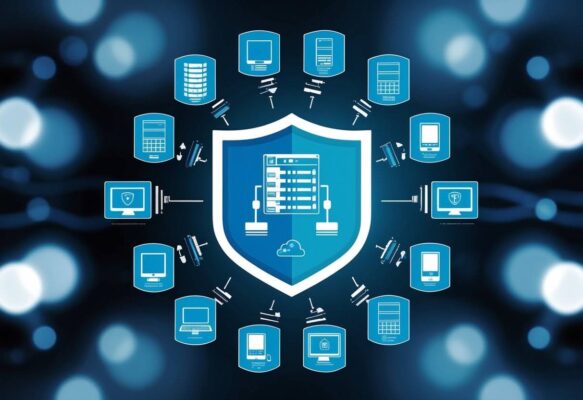
Cybersecurity threats are evolving, so keep up to date with the latest information on cyber attacks. Focus on preventing incidents like phishing, social engineering, malware and ransomware, which are some of the most common cyber threats. Investing in network security and understanding the nature of these threats can significantly mitigate risks and protect your business.
Defending against phishing and social engineering
Phishing attacks are often initiated through emails that appear genuine but are designed to steal sensitive information. Ensure your employees can identify suspicious emails by training them to recognise warning signs like unfamiliar senders, spoofed email addresses or links that lead to unknown websites. Regular workshops and simulations can effectively raise awareness.
Implementing advanced email filters can reduce phishing attempts by blocking fraudulent messages before they reach inboxes. These filters detect suspicious patterns, such as mismatches in email addresses. Additionally, promoting a culture of caution where employees report suspicious emails can significantly strengthen defences.
Social engineering attacks manipulate human psychology to gain access to confidential data. Combat these attacks by enforcing strict verification processes when handling personal or business-related requests. For example, if employees receive demands via email that are presented as urgent, it’s best to verify the person is who they say they are by calling them or contacting them via a more trusted channel. Encouraging employees to question unexpected communication adds an extra layer of security.
Guarding against malware and ransomware
To protect against malware and ransomware attacks, install and regularly update trusted anti-virus and malware protection software. Ensure that all devices and systems are protected, whether used in the office or remotely. Regularly scheduled scans can detect malicious software before it causes harm.
Backing up data regularly is vital. In the event of a ransomware attack, having current backups can prevent data loss and reduce downtime. Secure these backups in an off-site or cloud location where they remain unaffected by potential breaches.
Implement network security measures like firewalls and intrusion detection systems. These tools can monitor and block suspicious activities in real-time, further reinforcing your cybersecurity infrastructure. Encouraging a proactive approach to software updates keeps your systems safeguarded against new vulnerabilities. Our trusted cybersecurity partner Endida can perform penetration testing to assess how robust your existing measures are.
Cybersecurity best practices for organisations

Organisations must focus on staff training and frequent security audits to strengthen their cybersecurity posture. These practices can help in reducing human error and preventing significant security breaches.
Staff training and awareness
Training your staff is crucial in preventing cybersecurity incidents. Employees often face phishing scams and other threats. By providing regular training sessions, you can equip your workforce with the necessary skills to identify and avoid potential risks.
Awareness campaigns and workshops reinforce key security concepts. This can involve recognising suspicious emails and understanding the importance of strong passwords. Investing in your staff’s knowledge helps create a culture of security awareness. As part of our cybersecurity services, we offer staff training – because we recognise that people can be the biggest weakness in a business if they’re not educated.
Regular security audits and updates
Performing regular security audits is essential. These audits help to identify vulnerabilities and ensure that your systems are secure. By analysing current security measures and performing penetration testing, you can find areas that need improvement.
Updating your software and security policies is equally important. With technology constantly changing, older systems might not protect against new threats. Keeping everything updated helps minimise risks. If you’ve moved your core systems, like your ERP and CRM, to the cloud, the good news is that major cloud providers including Microsoft have stringent security protocols to protect your data.
Your security team should lead these efforts, ensuring that updates happen promptly. Regularly reviewing your security posture also allows you to detect potential weaknesses quickly. This proactive approach can prevent significant cybersecurity incidents before they occur.
The future of cybersecurity and business

The future of cybersecurity involves adapting to new technologies and leveraging them for enhanced protection. Businesses must explore emerging trends to stay secure while using cybersecurity as a tool for growth and opportunity.
Emerging technologies and cybersecurity trends
Artificial intelligence (AI) is already playing a significant role in cybersecurity. AI can detect anomalies in data patterns, helping to prevent cyber threats before they escalate. Generative AI models, however, also present new risks as they can be used to create sophisticated attacks.
The gap between the demand for cybersecurity professionals and their availability continues to be a challenge. This shortage can impact a company’s ability to maintain strong cyber defences. Investing in training and development for current staff is vital, as well as enlisting the cybersecurity experts of a trusted IT partner like BITSmart.
Cybersecurity as a business enabler
Focusing on cybersecurity not only prevents breaches but could also open new business opportunities. Prioritising cybersecurity builds trust with customers and partners, enhancing your brand’s reputation and reliability.
Incorporating cybersecurity into your business strategy can streamline processes by removing vulnerabilities, leading to improved efficiency. Cybersecurity can become a business enabler by reducing downtime and increasing productivity.
You should view cybersecurity as an investment rather than an expense. Implementing robust measures can save money in the long term. As the cybersecurity field evolves, embracing these changes can give your business a competitive edge.
Frequently asked questions
Businesses today face various cyber threats, making it essential to implement effective security measures. By prioritising cybersecurity, companies can protect their digital assets, maintain business continuity and reduce the risk of data breaches.
What measures can businesses take to enhance their cyber defences?
You can boost your company’s cyber defences through firewalls, antivirus software and regular system updates. Training employees on security protocols and conducting risk assessments also plays a critical role. Consider hiring a managed service provider to scale these efforts effectively.
How does implementing cyber security protocols safeguard a company’s digital assets?
Implementing cybersecurity protocols protects sensitive information from unauthorised access and cyber attacks. This means using strong password policies, data encryption and multi-factor authentication. These steps can help prevent data theft and ensure the integrity of your digital assets.
What are the top cyber security practices every employee should follow?
Every employee should use long passwords and regularly update them. Be cautious when opening email attachments and ensure your software is up to date. Encourage your people to report of suspicious activities and provide them with regular training sessions. This helps create a culture of cybersecurity awareness.
Why is it important for small businesses to invest in cyber security?
Cybersecurity is vital for small businesses because they are often targeted due to weaker security measures, limited recovery ability and the financial impact of downtime. A breach can lead to financial losses and damage to your reputation. Investing in comprehensive cybersecurity solutions can help protect against these risks and enhance your business’s resilience.
In what ways can improving cyber security contribute to business continuity?
Enhancing cybersecurity measures ensures that your business can continue to operate smoothly even in the event of a cyber attack. Regularly backing up data, having an incident response plan and maintaining secure communications are key to achieving uninterrupted operations.
How does proper cyber security mitigate the risk of data breaches?
Proper cybersecurity measures prevent data breaches by blocking unauthorised access and detecting threats early. Regular security audits, employing encryption and monitoring network activities help in identifying vulnerabilities. These practices safeguard sensitive data and protect your company from the consequences of breaches.